High Holy Day Services – Watch Online

Bookmark this page so you don't miss a service!

Welcome to High Holy Days 5787/2026!

Erev Rosh Hashanah: Fri, Sept 11  |  Rosh Hashanah: Sat, Sept 12
Erev Yom Kippur: Sun, Sept 20  |  Yom Kippur: Mon Sept 21

Temple Rodef Shalom

High Holy Day Services Available Online & In-Person!

Can’t join us in person? We’d love to welcome you online! Please see the schedule below for dates and times of our live stream broadcasts. Click here or use the blue button below to watch! Click here to register to attend in person.

Main Services

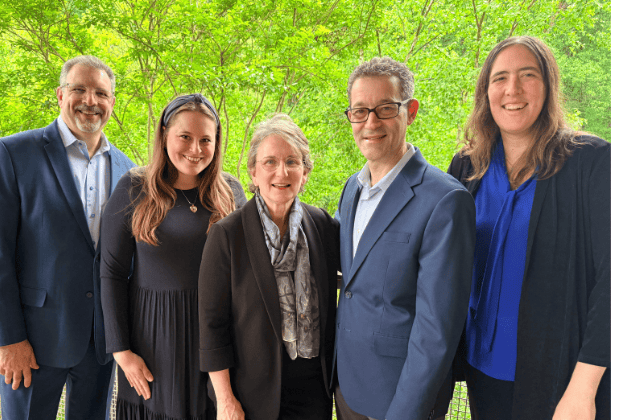
  • 5:45 PM: Sanctuary – Led by Rabbi Jeffrey Saxe, Rabbi Alexandra Stein and Cantor Sydney Michaeli with choir, piano and violin
  • 8:00 PM: Sanctuary – Led by Rabbi Jeffrey Saxe and Cantor Sydney Michaeli with choir, piano and violin
  • 8:00 PM: Social Hall – Led by Rabbi Amy Schwartzman and Cantor Michael Shochet with choir, piano and violin

Family Service
5:45 PM: Social Hall – Led by Rabbi Amy Schwartzman and Cantor Michael Shochet with Songleader Jason Flatt, Shir Harmony Youth Choir and our Family Band

Main Services

  • 9:00 AM: Sanctuary – Led by Rabbi Amy Schwartzman and Cantor Michael Shochet with choir, piano and violin
  • 11:45 AM: Sanctuary – Led by Rabbi Amy Schwartzman, Cantor Michael Shochet and Rabbi Alexandra Stein with choir, piano and violin
  • 11:45 AM: Social Hall – Led by Rabbi Jeffrey Saxe and Cantor Sydney Michaeli with choir, piano and violin

Family Service
9:00 AM: Social Hall – Led by Rabbi Jeffrey Saxe, Rabbi Alexandra Stein and Cantor Sydney Michaeli with Songleader Jason Flatt and our Family Band

Tashlich & Tot Experiences
4:00 PM:
Tot Service (Sanctuary → pond) – Led by Cantor Sydney Michaeli and Rabbi Alexandra Stein with Songleader Jason Flatt

Main Services

  • 5:30 PM: Social Hall – Led by Rabbi Amy Schwartzman, Rabbi Alexandra Stein and Cantor Sydney Michaeli with choir, piano and cello
  • 8:00 PM: Sanctuary – Led by Rabbi Jeffrey Saxe and Cantor Michael Shochet with choir, piano and cello
  • 8:00 PM: Social Hall – Led by Rabbi Amy Schwartzman and Cantor Sydney Michaeli with choir, piano and cello

Family Service
5:30 PM: Sanctuary – Led by Rabbi Jeffrey Saxe and Cantor Michael Shochet with Songleader Jason Flatt, Shir Harmony Youth Choir and our Family Band

FAQs

The fall is full of Jewish holidays, with the High Holy Days – the 10 Days of Awe (Yamim Noraim) starts with Rosh Hashanah and ends with Yom Kippur – being the most important. This is followed by the Jewish festival of Sukkot, which includes Simchat Torah — part of the 3 Festivals (Sukkot, Pesach and Shavuot) — as the next most important of our holidays. Chanukah, Purim, Tu B’Sh’vat, Lag B’Omer, Yom Ha’atzmaut, Yom HaShoah, and Tisha B’Av are all minor holidays in the Jewish calendar.

Here is a little bit about each of the fall holidays:

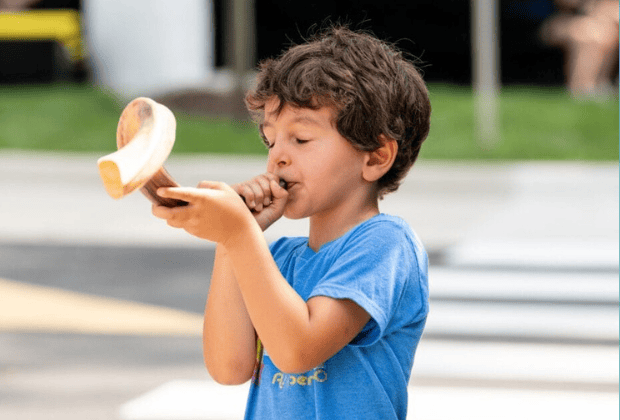
  • Selichot, “forgiveness,” is a pre-High Holy Day commemoration that helps us prepare for the upcoming High Holy Days with prayers of repentance, hearing of High Holy Day melodies for the first time, the sounding of the Shofar, and the changing of our Torah covers to white.
  • Rosh HaShanah, the Jewish New Year, gives us time to look back at the last year and consider ways to improve ourselves and our communities in the coming year. We eat apples and honey to celebrate a sweet new year and round challot to symbolize the cycle of the year. Some families also eat pomegranate seeds during Rosh Hashanah because, according to legend, the number of seeds inside represent the number of good deeds you will do in the new year.
  • Yom Kippur, the Day of Atonement, is the holiest day of the Jewish calendar. It is a day devoted entirely to fasting and repentance. We dedicate our mind, body and soul to repenting for sins against others and against God. We acknowledge the pain we’ve caused others. We are also obligated to forgive when someone asks for repentance. Once we do that, we can then ask God for forgiveness. A 24-hour fast is the ritual observed by those 13 and older on Yom Kippur, which comes from the biblical commandment of practicing “self-denial.” A fast allows us to ignore our physical desires to focus on our spiritual needs. See the next entry about the rules of fasting.
  • Sukkot is one of the most joyful holidays on the Jewish calendar, and the only one with an explicit commandment to rejoice. It celebrates both the fall harvest, expressed by blessing and waving the lulav and the etrog, and the wandering in the desert, by building and decorating a sukkah; as well as extending hospitality to friends and family. Sukkot is a 7-day holiday and ends with Simchat Torah, the rejoicing of the Torah.
  • Simchat Torah is a fun-filled holiday during which we celebrate the completion of the annual reading of the Torah by taking all the Torah scrolls from the ark and dancing with them in the Sanctuary. At Temple Rodef Shalom, we unroll the whole Torah around the Sanctuary and then end the reading of the Torah by chanting the last few verses of Deuteronomy and immediately begin the cycle of Torah readings again, by starting the first few verses of Genesis.

Online services are open to both members and non-members, people of all faiths, and any age groups.

No, online services are free and require no registration.

You may click here to visit the Watch Live page of our website at the time of the service. We also live stream to Facebook and YouTube.